

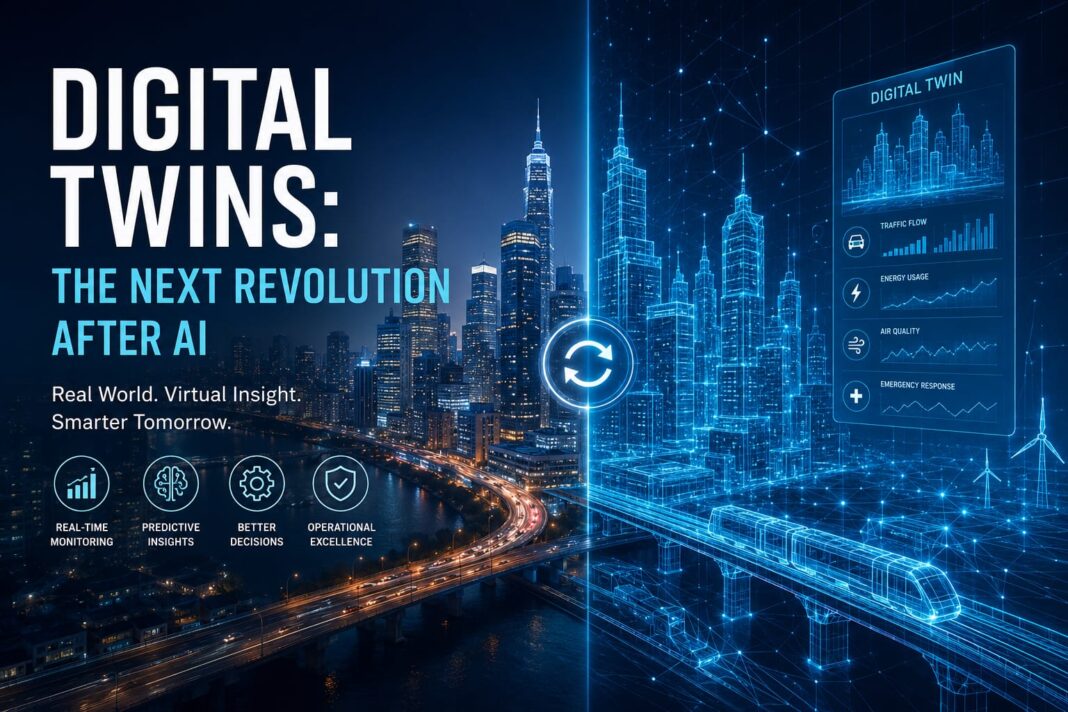

Introduction
Artificial intelligence has become an important pillar for the technological advancement. It can write articles, create images, predicts customer’s behaviour even help doctors to diagnose diseases.But while the world is captivated by AI, parallelly another innovation is emerging with the potential to redefine reality itself: Digital Twins.
Digital Twin is a virtual copy of a real-world object, system, or process that updates using real-time data. It helps businesses predict problems before they happen, allowing them to make smarter decisions and prevent costly failures.
Why Digital Twins Are Gaining Attention
Modern businesses collect vast amounts of data every second. The real challenge is transforming that data into meaningful decisions. Digital Twins help organizations visualize operations in real time, predict future outcomes, and solve problems before they occur. This ability to make smarter, data-driven decisions is driving their growing adoption across industries.
Application of digital twins across industries
Building smart cities
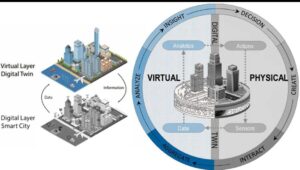
Digital Twin technology is helping governments create smarter, more efficient cities. Virtual city models allow planners to simulate traffic patterns, energy consumption, environmental impact, and emergency response strategies before implementing changes.
Transforming Healthcare
In healthcare, Digital Twins can create personalized virtual models of patients using medical data and wearable devices. This enables doctors to predict health risks, test treatment options, and deliver more personalized care.
Manufacturing
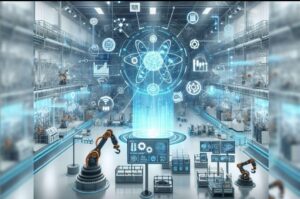
Factories are becoming smarter with Digital Twins. Machines continuously share performance data, allowing engineers to spot issues early and schedule maintenance before costly failures disrupt production.
Aerospace and Aviation
In aerospace, Digital Twins help monitor aircraft systems and engine performance. By identifying maintenance needs before failures occur, organizations can improve operational efficiency, reduce costs, and enhance passenger safety.
The Relationship Between AI And Digital Twins
The true power of Digital Twins emerges when combined with AI. While Digital Twins simulate real-world systems, AI analyzes their data to uncover trends, predict issues, and recommend improvements. Together, they enable a new level of operational intelligence.
Challenges Facing Digital Twin Adoption
While Digital Twins offer significant benefits, they also face challenges. Data privacy concerns arise due to continuous data collection, while cybersecurity risks increase as systems become more connected. High implementation costs can limit adoption, and inaccurate data may reduce the reliability of insights and predictions.
The Future of Digital Twins
The future of Digital Twins lies in creating more intelligent and connected systems. Powered by emerging technologies, they will help businesses improve performance, enhance innovation, and make data-driven decisions with greater confidence.
Conclusion
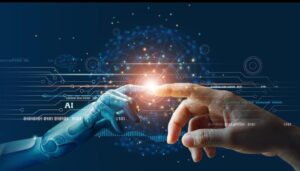
Digital Twins are bridging the gap between the physical and digital worlds. By working alongside AI, they enable predictive insights and smarter operations. As adoption grows, they will become a key part of the next wave of innovation.