
Introduction
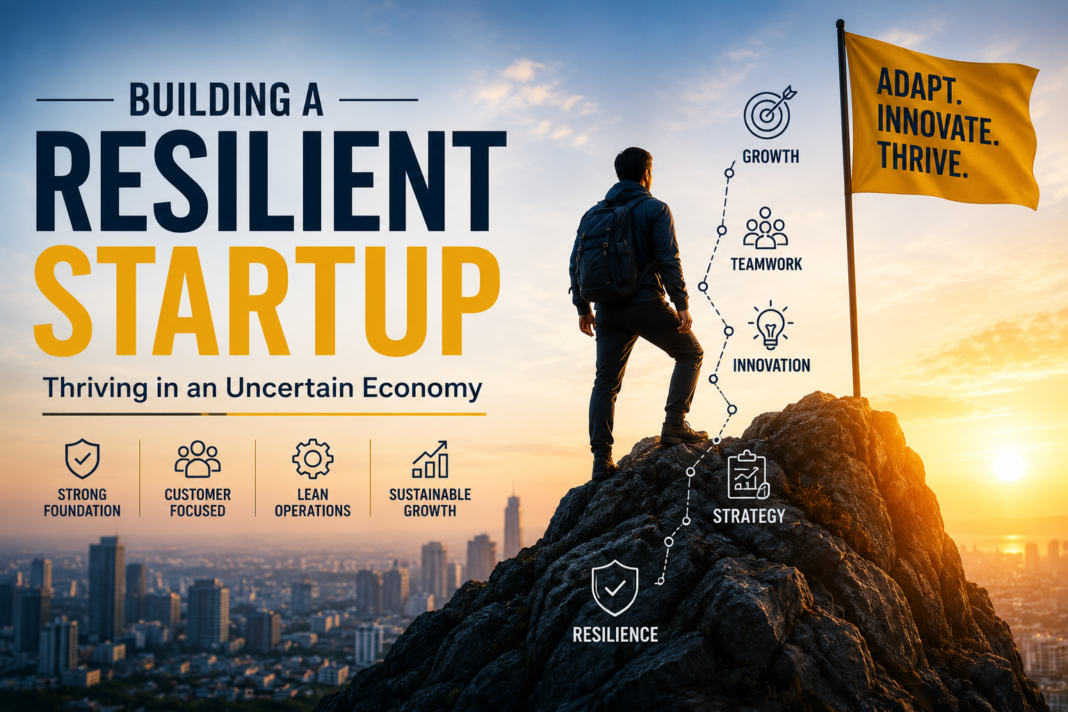
Launching a startup has never been easy, and today’s economic climate makes entrepreneurship even more demanding. Market fluctuations, inflation, supply chain disruptions, changing customer expectations, and rapid advances in technology require founders to make smarter decisions with fewer resources. Despite these obstacles, uncertain economies often create space for innovation. When established companies hesitate, startups can move faster, solve emerging problems, and introduce fresh ideas that reshape industries.
Resilience has become one of the most valuable competitive advantages for modern startups. Instead of trying to predict every market shift, founders must build businesses that can respond quickly, manage risks effectively, and continue delivering value regardless of changing economic conditions.
Why Resilience matter more than growth
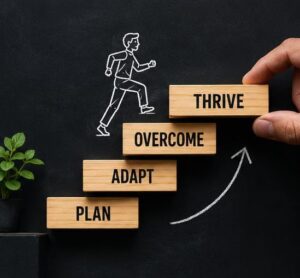
Growth often becomes the primary goal for startups, but expanding too quickly without a solid foundation can create long-term challenges. Markets change, customer expectations shift, and unexpected events can disrupt even the fastest-growing businesses.
Resilience gives startups the ability to adapt without losing momentum. It helps founders stay focused on long-term success instead of making rushed decisions during difficult periods. Businesses that build flexibility into their operations are far better equipped to navigate uncertainty and emerge stronger.
Build a strong financial foundation
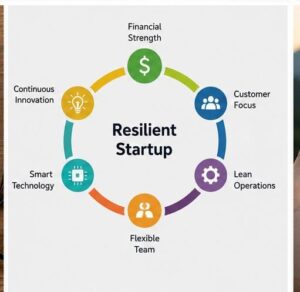
Financial health forms the backbone of every successful startup.Spending wisely, monitoring cash flow, and planning for unexpected situations give founders greater control over their business. Instead of relying solely on external funding, resilient startups prioritize building sustainable operations that can support steady growth.
Strong financial management provides the flexibility needed to make better decisions during both good times and difficult ones.
Focus on Solving Real Problems
The strongest businesses are built around customer needs rather than market trends. As buying habits change, customers naturally gravitate toward solutions that make their lives easier, save time, or reduce costs. Startups that consistently listen to feedback and improve their offerings stay relevant even as markets evolve.
By focusing on solving real challenges instead of chasing short-term opportunities, startups create lasting value and stronger relationships with their customers.
Stay Close to Your Customers
Economic uncertainty often changes customer priorities faster than businesses expect. Companies that stay in regular contact with their customers are better equipped to recognize these shifts before they affect revenue. Meaningful feedback comes from every interaction—support conversations, product reviews, sales meetings, and online discussions—not just formal surveys. These real-world insights reveal what customers value, what frustrates them, and what improvements matter most.
When founders make customer listening a habit, they can refine their offerings, strengthen loyalty, and uncover new growth opportunities before competitors recognize them.
Keep Operations Lean
A lean business is better prepared to navigate uncertainty because it avoids unnecessary complexity and expenses. Rather than expanding rapidly, resilient startups invest in systems that improve productivity while keeping operating costs under control. Automation, streamlined workflows, and thoughtful resource allocation help teams accomplish more with fewer resources. Regularly evaluating expenses ensures that every investment contributes to measurable business value, allowing the company to remain agile when conditions change.
Diversify Revenue Streams
Businesses become more resilient when they aren’t dependent on one market or customer segment. Exploring additional revenue opportunities allows startups to reduce risk while increasing financial stability. The most effective diversification strategies complement the company’s existing strengths instead of distracting from its core mission.
Balanced revenue streams provide greater confidence during periods of economic uncertainty
Build a Flexible Team
Resilience isn’t created by organizational charts—it’s built by people willing to learn, adapt, and collaborate. Startups should encourage continuous learning, open communication, and knowledge sharing across departments. Employees who understand the broader business are better prepared to take on new responsibilities when challenges arise. A flexible workforce gives startups the confidence to navigate uncertainty without losing momentum.
Make Data-Driven Decisions
Strong leaders don’t rely solely on instinct—they support their decisions with accurate information. Tracking key business metrics enables startups to identify trends, measure progress, and respond quickly to changing conditions. Instead of reacting emotionally to temporary setbacks, founders can focus on objective indicators that reveal long-term performance. Consistent measurement creates smarter strategies and stronger business resilience.